Direct mail continues to deliver some of the highest response rates of any marketing channel*. It captures attention, builds trust, and consistently drives strong response rates across industries. But while the mailbox remains a powerful place to connect, the customer journey itself has evolved.
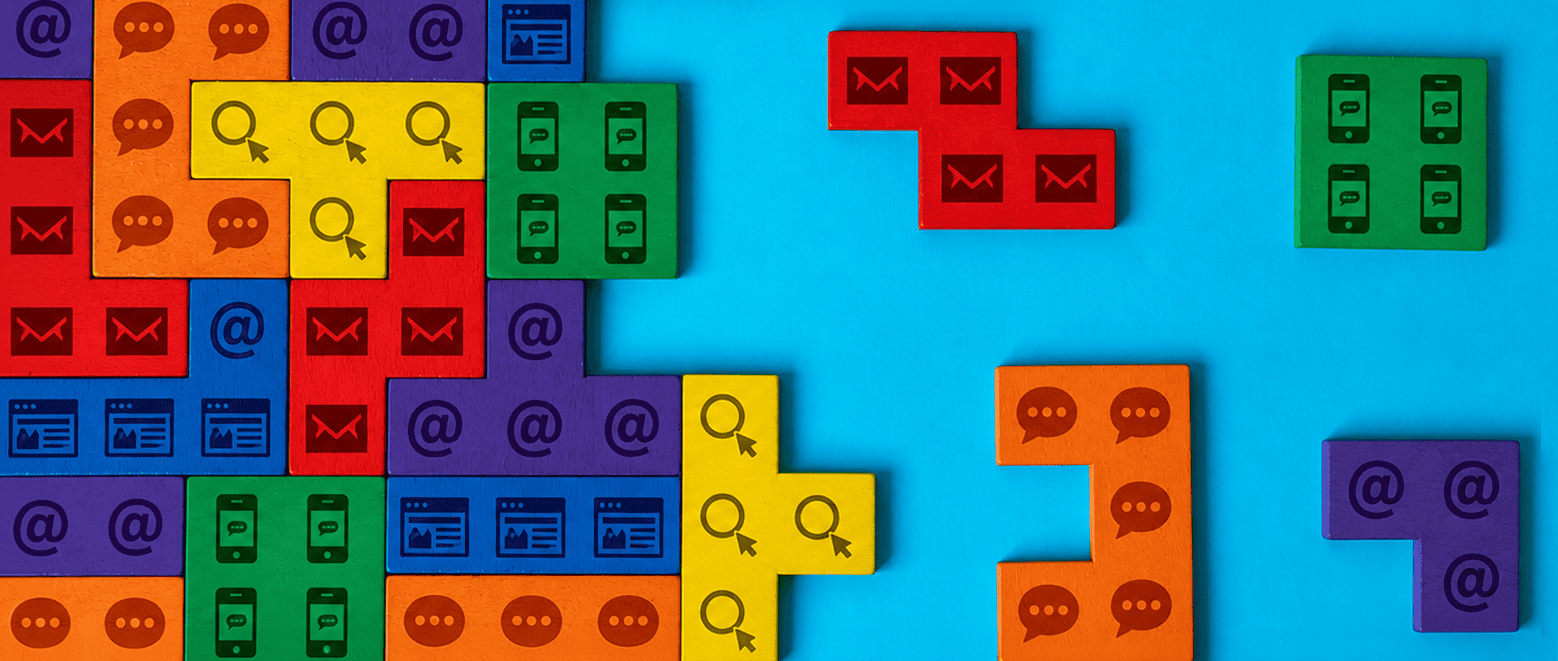
Today’s consumers rarely make a decision after a single interaction. They discover brands through social media feeds, scouring websites, engaging with emails, and comparing options across multiple devices before taking action. The most successful direct mail campaigns recognize this reality by treating the mailbox as the cornerstone of a larger conversation.
Direct Mail Is Stronger with Friends
A well-designed mail piece can spark interest, but additional touchpoints help maintain momentum. Reinforcing the same message across digital channels creates familiarity, keeps your brand top of mind, and gives recipients multiple opportunities to engage when they’re ready.
Imagine if a prospect receives a postcard promoting a new financial service. Before the mail arrives, they’ve already seen social and display ads, as well as Informed Delivery. After receiving the postcard, they visit the company’s website by scanning a QR code, and a follow-up email reminds them about the offer a few days later. Then, they see additional social and display ads reinforcing the same message. Each touchpoint builds on the last, creating a cohesive customer journey that’s far more likely to drive action than any single interaction on its own.
Consistency Builds Trust
One of the biggest advantages of a multichannel strategy is consistency. When prospects encounter the same messaging across print and digital channels, your brand becomes more recognizable and trustworthy.
That doesn’t mean repeating the exact same creative everywhere. Instead, each touchpoint should reinforce the same value proposition while encouraging the next step in the customer journey. A direct mail piece can introduce an offer, digital ads build awareness and reinforce the offer, and a landing page provides the information needed to convert.
Every Interaction Should Have a Purpose
Adding more marketing channels doesn’t magically improve results. The idea is to be intentional and tactical with your messaging, not to flood the zone.
Some interactions should introduce your brand. Others should educate, reinforce, answer questions, or encourage action and create urgency. By designing campaigns around the customer journey instead of individual tactics, marketers create experiences that feel connected rather than repetitive.
Analysis Matters
Another benefit of modern marketing is the straightforward insights it offers into customer behavior. Analytics can reveal which audiences engaged, how recipients responded, and which channels influenced conversions. These insights help marketers refine future campaigns, target audience segmentations, allocate funds, and improve ROI.
Simplicity Drives Better Execution
As campaigns become more sophisticated, managing different vendors creates unnecessary complexity. Coordinating creative, data, mail, digital ads, and analytics across multiple partners often leads to missed opportunities.
Working with a single marketing partner who understands how each component fits together helps simplify execution while ensuring every channel supports the same campaign objectives.
Marketing Works Better When Everything Works Together
Ultimately, direct mails’ greatest strength lies in how it tangibly elevates all of your other marketing channels. When all of your channels work together as part of a unified strategy, each interaction reinforces the next and delivers stronger results.
That’s where Polaris Direct can help. By bringing strategy, production, data, postal expertise, and digital execution together, we help clients turn every touchpoint into an opportunity for success.
* Source: https://winterberrygroup.com/en/direct-mail-in-the-us-whitepaper-sept-2023